You scroll through motivational quotes, set New Year goals, and chase success. Yet you still wonder if your life has direction. Modern advice often falls short because it treats purpose as a destination, not a daily practice. Combining Japanese philosophy like Ikigai with proven self-discovery techniques offers a concrete framework for sustained fulfillment. This guide provides culturally grounded, actionable tips to integrate purpose into your everyday routine and transform how you experience meaning.
Table of Contents
- Selection Criteria: How To Choose Effective Purposeful Living Tips
- Understanding Ikigai And Purposeful Living
- Self-Discovery Methods For Purposeful Living
- Mindfulness Practices To Enhance Purpose
- Comparing Purpose Frameworks: Ikigai Vs Western Models
- Practical Tips For Sustaining Purposeful Living
- Summary Comparison And Situational Recommendations
- Explore Ikigai Tools To Deepen Your Purposeful Living Journey
Key takeaways
| Point | Details |
|---|---|
| Ikigai’s four elements create a practical framework | The intersection of passion, skill, societal need, and economic value forms sustainable purpose. |
| Mindfulness practices deepen purpose awareness | Daily Zazen meditation and reflective journaling enhance self-awareness and clarity. |
| Personality tests tailored to Ikigai yield 40% higher clarity | Targeted assessments offer personalized insights superior to generic self-help quizzes. |
| Japanese philosophies support resilience | Concepts like Wabi-Sabi (embracing imperfection) sustain motivation during setbacks. |
| Incremental goals and gratitude journaling maintain fulfillment | Small daily actions aligned with Ikigai create lasting behavior change and satisfaction. |
Selection criteria: how to choose effective purposeful living tips
Effective purposeful living guidance requires more than feel-good platitudes. You need tips that pass rigorous practical and philosophical tests. Without clear criteria, you risk wasting time on shallow advice that sounds inspiring but delivers nothing.
First, cultural authenticity matters. Tips grounded in Japanese philosophy like Ikigai should honor their origins and not dilute them into generic slogans. Authentic practices preserve the nuanced wisdom developed over centuries. Second, actionability ensures you can implement advice immediately without specialized training or expensive resources. Tips should translate into daily behaviors anyone can start today.
Third, integration with mindfulness and self-awareness deepens impact. Purpose is not something you find once and forget. It requires ongoing reflection and conscious practice. Tips that embed mindfulness create sustained engagement with your evolving sense of meaning. Fourth, sustainable behavior change focuses on long-term habits rather than temporary motivation spikes. Research shows quick fixes fade within weeks, while incremental routines supported by clear frameworks endure.
Consider these selection criteria as your filter:
- Cultural integrity: Does the tip respect its philosophical roots without oversimplification?
- Immediate applicability: Can you start practicing today with minimal friction?
- Mindfulness integration: Does it encourage ongoing self-awareness and reflection?
- Long-term sustainability: Will this practice remain valuable over months and years?
By applying these standards, you ensure your investment in purposeful living yields genuine transformation.
Understanding Ikigai and purposeful living
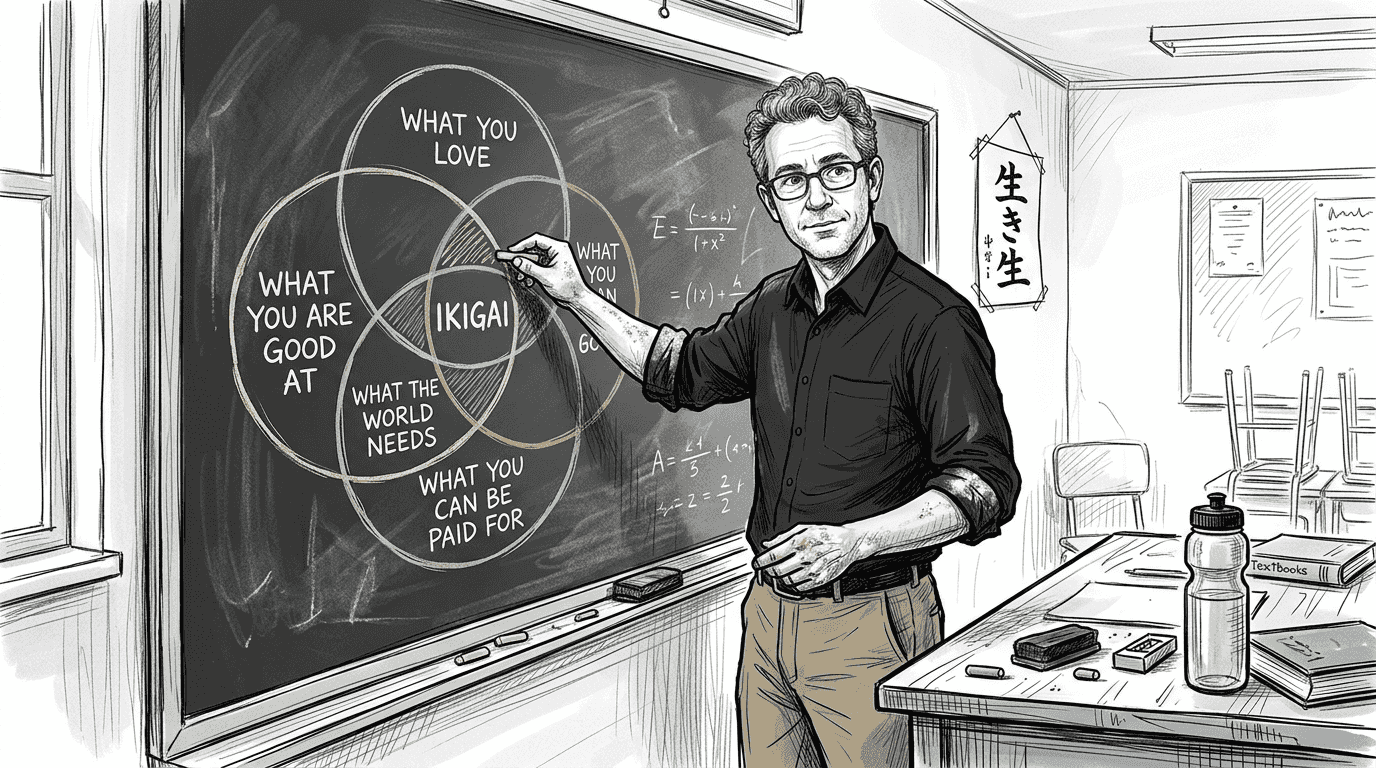
Ikigai (pronounced ee-kee-guy) translates loosely to “reason for being.” It represents the intersection where four elements converge: what you love, what you are good at, what the world needs, and what you can be paid for. This harmonious balance creates intrinsic motivation and sustainable fulfillment beyond temporary satisfaction.
Unlike Western goal-setting that emphasizes achievement endpoints, Ikigai focuses on joy and meaning woven into everyday life. This philosophy originated in Japanese culture, particularly in communities known for longevity and well-being. Residents of Okinawa, often studied for their exceptional lifespans, credit daily engagement with Ikigai as central to their vitality. The Ikigai method delivers lasting fulfillment precisely because it aligns internal desires with external contributions.
Each element serves a distinct purpose:
- Passion (what you love): Activities that energize you and bring genuine joy.
- Vocation (what you are good at): Skills and talents you have developed or can cultivate.
- Mission (what the world needs): Contributions that serve others and address real needs.
- Profession (what you can be paid for): Economic sustainability allowing you to continue your purpose.
When these four circles overlap, you discover your Ikigai. Missing one element creates imbalance: passion without skill leads to frustration, skill without societal need feels meaningless, contribution without compensation causes burnout. Understanding how to find Ikigai involves honest reflection on each element and willingness to experiment.
This framework provides structure without rigidity. Your Ikigai evolves as you grow, making it a lifelong practice rather than a one-time discovery. Embracing this fluidity allows purposeful living to adapt to life’s changing seasons.
Self-discovery methods for purposeful living
Identifying your Ikigai requires deliberate self-discovery. Vague introspection produces vague results. Structured techniques surface specific insights about your values, passions, and strengths.
Reflective journaling stands as the most accessible starting point. Dedicate 10 minutes daily to answer prompts like “What activities make me lose track of time?” or “When do I feel most alive?” Over weeks, patterns emerge revealing your authentic interests. Journaling also tracks your evolving purpose, creating a record you can revisit when feeling lost.
Personality tests tailored to Ikigai offer another powerful tool. Generic assessments provide broad personality traits but lack purpose-specific insights. Ikigai personality tests map your responses to the four Ikigai elements, delivering actionable guidance on aligning passion with vocation. Studies show these targeted assessments improve clarity on core drives by approximately 40% compared to standard personality inventories.
Meditation complements journaling by quieting mental noise. A calm mind notices subtle preferences and authentic desires obscured by daily stress. Even five minutes of focused breathing before journaling sharpens self-awareness. Combining techniques reinforces insights: meditation creates space, journaling captures revelations, and testing provides frameworks.
Regular practice prevents reliance on fleeting intuition alone. Structure your self-discovery:
- Morning pages: Write three pages stream-of-consciousness upon waking to access subconscious thoughts.
- Quarterly assessments: Retake personality tests every three months to track shifts in priorities.
- Monthly reflection: Review journal entries to identify recurring themes and evolving interests.
Explore finding your purpose with Ikigai through consistent, varied methods. Self-discovery is not a weekend project but an ongoing conversation with your deepest self.
Pro Tip: Pair journaling with gratitude practice by listing three moments each day when you felt purposeful or energized to accelerate pattern recognition.
Mindfulness practices to enhance purpose
Mindfulness anchors purposeful living in the present moment. Purpose becomes abstract when disconnected from daily experience. Mindfulness practices like Zen meditation deepen your connection to Ikigai by training sustained attention and non-judgmental awareness.
Zazen, or seated Zen meditation, forms the foundation of many mindfulness traditions. You sit in stillness, focus on breath, and observe thoughts without attachment. This practice builds present-moment clarity crucial for recognizing when actions align with your purpose. Zazen meditation enhances present-moment awareness, directly supporting deeper connection to Ikigai.
Daily mindfulness sustains psychological well-being and reduces stress that clouds judgment. When anxious or overwhelmed, you cannot accurately assess whether your activities serve your purpose. Even 10 minutes of Zazen each morning creates mental space to notice misalignments and make intentional adjustments. Research confirms mindfulness benefits span reduced anxiety, improved focus, and enhanced emotional regulation.
Integrating short mindfulness routines into daily life requires no special equipment:
- Morning sit: 10 minutes of Zazen before breakfast to set intentional tone.
- Mindful transitions: Three deep breaths when switching tasks to maintain presence.
- Evening reflection: Five minutes reviewing the day’s alignment with Ikigai.
Mindfulness also reinforces ongoing awareness of your evolving purpose. As you change, so does your Ikigai. Regular meditation helps you notice these shifts before frustration builds. This practice complements discovering purpose through Ikigai by keeping you attuned to your authentic trajectory.
Pro Tip: Use a simple breath counting technique during Zazen (count each exhale from one to ten, then repeat) to maintain focus when starting out.
“When you sit in Zazen, you are not trying to achieve anything. You are simply being present with what is. In that presence, purpose reveals itself naturally.”
Comparing purpose frameworks: Ikigai vs western models
Purpose-finding approaches vary dramatically across cultures. Understanding differences helps you choose methods aligned with your values and goals.
Ikigai integrates cultural depth by harmonizing passion, societal contribution, skill, and economic sustainability. This holistic model acknowledges that sustainable purpose requires all four elements working together. Western models often emphasize goal orientation: set ambitious targets, develop grit, achieve success. While effective for specific objectives, this approach risks burnout when goals feel arbitrary or disconnected from deeper meaning.
Cultural philosophies like Ikigai increase engagement by 50% compared to Western-only coaching because they embed purpose in daily practice rather than distant achievements. Western models excel at short-term motivation but struggle with sustained fulfillment. Ikigai’s focus on everyday joy creates continuous reinforcement.
| Framework | Core Focus | Engagement Sustainability | Cultural Integration | Practical Outcome |
|---|---|---|---|---|
| Ikigai | Harmony of passion, skill, need, and pay | High - daily practice reinforces purpose | Deep - rooted in Japanese longevity culture | Balanced fulfillment across life domains |
| Western Goal-Setting | Achievement of specific targets | Medium - motivation fades post-goal | Minimal - individualistic achievement focus | Success in targeted areas, potential burnout |
| Strengths-Based Coaching | Leveraging personal talents | Medium - requires ongoing external validation | Low - generic application | Career advancement and skill optimization |
| Existential Therapy | Confronting meaning and mortality | High - addresses fundamental questions | Moderate - draws on Western philosophy | Deep personal insight, less daily structure |
Users report greater clarity and sustained motivation with Ikigai-aligned frameworks because the model provides both philosophical depth and practical application. You are not choosing between meaning and action but integrating both. Understanding these differences, explored further through Ikigai method benefits, helps you tailor approaches for personalized purposeful living.
Neither framework is universally superior. Your choice depends on whether you prioritize immediate achievement or long-term fulfillment, individualistic success or community contribution.
Practical tips for sustaining purposeful living
Understanding Ikigai means nothing without consistent practice. These evidence-based tips transform philosophy into daily habits that sustain purposeful living.
Set small, incremental goals reflecting your Ikigai elements. Instead of “find my dream job,” try “spend 30 minutes weekly exploring careers combining my love of teaching with technology skills.” Micro-goals maintain motivation because progress is visible and achievable. Each small win reinforces your sense of purpose rather than creating pressure for dramatic transformation.
Practice daily gratitude journaling to enhance meaning and satisfaction. Each evening, write three specific moments when your actions aligned with your Ikigai. This practice trains your brain to notice purposeful moments throughout the day, increasing their frequency. Gratitude also buffers against setbacks by highlighting progress when challenges arise.
Use mindfulness routines and reflective pauses to stay grounded. Set phone reminders for three brief check-ins daily: “Am I present right now? Does this activity serve my purpose?” These micro-reflections prevent autopilot living where weeks pass without conscious engagement with your Ikigai.
Combining practices creates synergy:
- Morning: 10 minutes Zazen meditation, set one Ikigai-aligned micro-goal for the day.
- Midday: Three-breath mindful pause to assess alignment.
- Evening: Gratitude journaling highlighting purposeful moments.
These rituals support sustained behavior change and fulfillment by embedding purpose into your routine rather than treating it as separate from daily life. Explore the complete purpose in life process guide for deeper implementation strategies.
Pro Tip: Link new purposeful living habits to existing routines (habit stacking) like doing Zazen immediately after your morning coffee to increase consistency.
Summary comparison and situational recommendations
Different purposeful living tips suit different stages of your journey. This comparison helps you select practices matching your current needs and experience level.
| Tip | Primary Strength | Ease of Start | Best For | Time Investment |
|---|---|---|---|---|
| Reflective Journaling | Surfaces patterns and authentic desires | Very Easy | Beginners seeking self-awareness | 10 min daily |
| Ikigai Personality Test | Provides structured framework and personalized insights | Easy | Seekers wanting clarity on purpose elements | 20 min once, quarterly reviews |
| Zazen Meditation | Builds present-moment awareness and reduces mental clutter | Moderate | All levels, especially those feeling scattered | 10-20 min daily |
| Gratitude Journaling | Reinforces purposeful moments and sustains motivation | Very Easy | Beginners and those facing setbacks | 5 min daily |
| Incremental Ikigai Goals | Creates visible progress and prevents overwhelm | Easy | Action-oriented individuals | 30 min weekly planning |
| Wabi-Sabi Mindset | Builds resilience by embracing imperfection | Moderate | Advanced practitioners facing perfectionism | Ongoing reflection |
Beginners benefit most from accessible practices like gratitude journaling and reflective writing. These build self-awareness without requiring philosophical background. Start with 10 minutes daily journaling plus one weekly session exploring what is my purpose through structured prompts.
Seekers wanting immediate clarity should prioritize Ikigai personality testing combined with incremental goal-setting. Tests provide frameworks, while micro-goals create momentum. This combination delivers both understanding and action.
Experienced practitioners thrive by adding Japanese philosophical concepts like Wabi-Sabi (embracing imperfection and transience) to their practice. This mindset sustains purpose during inevitable setbacks by reframing failure as part of growth. Pair advanced concepts with consistent Zazen meditation for depth.
Your situation determines the best entry point. Feeling scattered? Start with meditation. Lacking direction? Take the personality test. Struggling with motivation? Focus on gratitude. All paths converge on the same destination: a life aligned with your authentic Ikigai.
Explore Ikigai tools to deepen your purposeful living journey
You now understand the philosophy and practices behind purposeful living through Ikigai. Translating knowledge into transformation requires the right tools. Personalized resources accelerate your progress by providing structure, accountability, and culturally authentic guidance.

The Ikigai personality test offers tailored insights mapping your unique combination of passions, skills, societal contributions, and economic potential. Unlike generic assessments, this test interprets results through the Ikigai framework, delivering actionable next steps specific to your purpose journey. Detailed Ikigai personality types guides deepen understanding of your strengths, blind spots, and growth opportunities. Interactive Ikigai self-discovery cards provide daily prompts for reflection and intentional action. These tools complement the tips in this article with practical, scientifically-backed resources grounded in Japanese philosophy.
FAQ
What is Ikigai and why is it important for purposeful living?
Ikigai represents the intersection of passion, vocation, mission, and profession. It forms a holistic framework for finding joy and meaning by harmonizing what you love with what the world needs and what sustains you economically. Unlike goal-setting focused on achievement endpoints, Ikigai emphasizes daily practice and continuous engagement with purpose. This cultural philosophy, rooted in Japanese longevity communities, creates sustainable fulfillment by integrating all life domains rather than compartmentalizing work, passion, and contribution. Learn more about how to find Ikigai through structured exploration of these four elements.
How can mindfulness meditation improve my connection to purpose?
Mindfulness meditation increases present-moment focus and reduces mental clutter that obscures authentic desires. Practices like Zazen meditation enhance present-moment awareness, directly supporting deeper connection to your Ikigai. Regular meditation creates mental space to notice when activities align with your purpose and when they do not. This clarity enables intentional adjustments before misalignment causes frustration or burnout. Even brief daily practice strengthens sustained purposeful engagement by training your attention to remain anchored in meaningful present experience rather than drifting into autopilot living.
What are practical ways to discover my Ikigai?
Use journaling prompts exploring what energizes you, what skills you possess, what problems you want to solve, and what economic opportunities exist at these intersections. Take Ikigai-focused personality assessments for tailored insights mapping your responses to the four purpose elements. Engage in regular meditation to deepen self-awareness and quiet external noise influencing your choices. Combining these methods creates comprehensive understanding: journaling surfaces patterns, testing provides frameworks, and meditation ensures insights reflect authentic desires rather than societal expectations. Discover practical Ikigai discovery methods through consistent, structured self-exploration over weeks and months.
How does Ikigai differ from Western goal-setting approaches?
Ikigai emphasizes harmony and daily joy while Western models prioritize achievement and endpoint goals. Ikigai integrates passion with societal contribution and economic sustainability, creating balanced fulfillment across life domains. Western approaches often separate personal satisfaction from professional success, leading to compartmentalized lives where work feels disconnected from purpose. Ikigai also focuses on continuous practice rather than destination thinking, making it more sustainable for long-term fulfillment. Both frameworks have value, but Ikigai’s holistic integration prevents the burnout common in achievement-focused models that sacrifice well-being for success metrics.
What role does gratitude play in sustaining purposeful living?
Gratitude journaling trains your brain to notice and amplify purposeful moments throughout each day. By writing three specific instances when your actions aligned with your Ikigai, you reinforce neural pathways connecting behavior to meaning. This practice increases the frequency of purposeful experiences by making them more salient and memorable. Gratitude also provides resilience during setbacks by highlighting progress when challenges arise. Rather than viewing purpose as something to achieve in the future, gratitude anchors fulfillment in present experiences, making purposeful living feel accessible and real every day. Combined with other practices, it forms a cornerstone of sustained motivation and satisfaction.